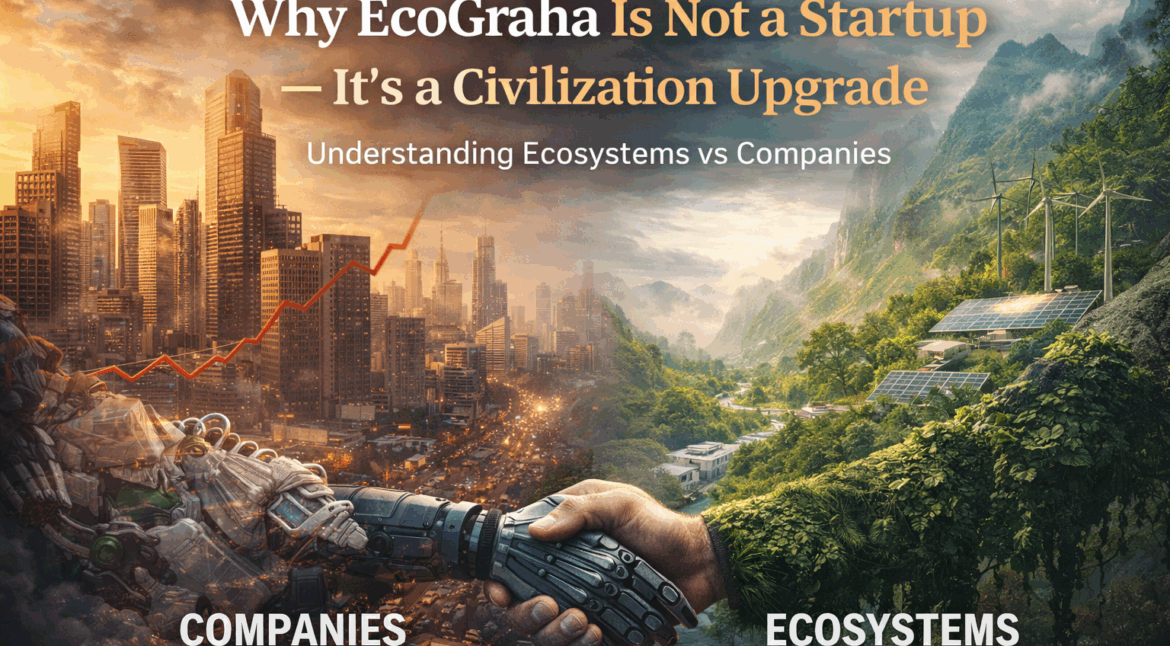
We live in an era obsessed with startups. Every problem, no matter how deep or systemic, is expected to be “solved” by a company, an app, or a pitch deck.
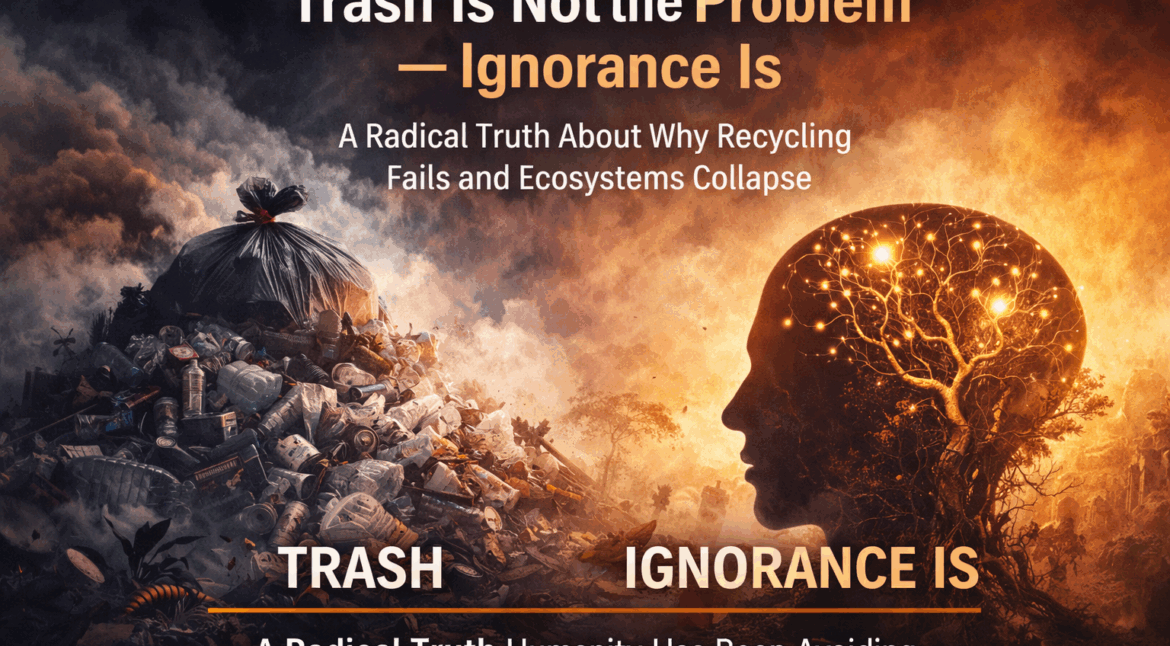
I spoke through the wind, the rivers, the forests, the oceans, and the seasons. I whispered through soil and clouds, through insects and mountains, through cycles older than your civilizations.
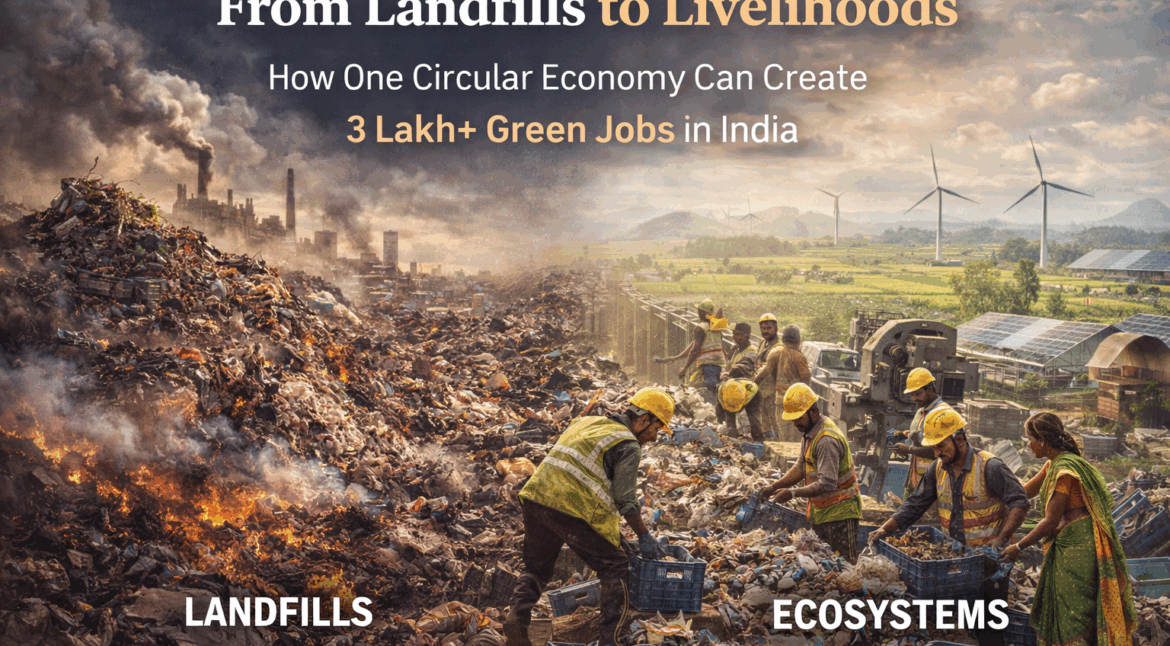
When we talk about waste in India, the conversation usually ends in despair — overflowing landfills, polluted rivers, burning garbage, and overwhelmed municipalities.
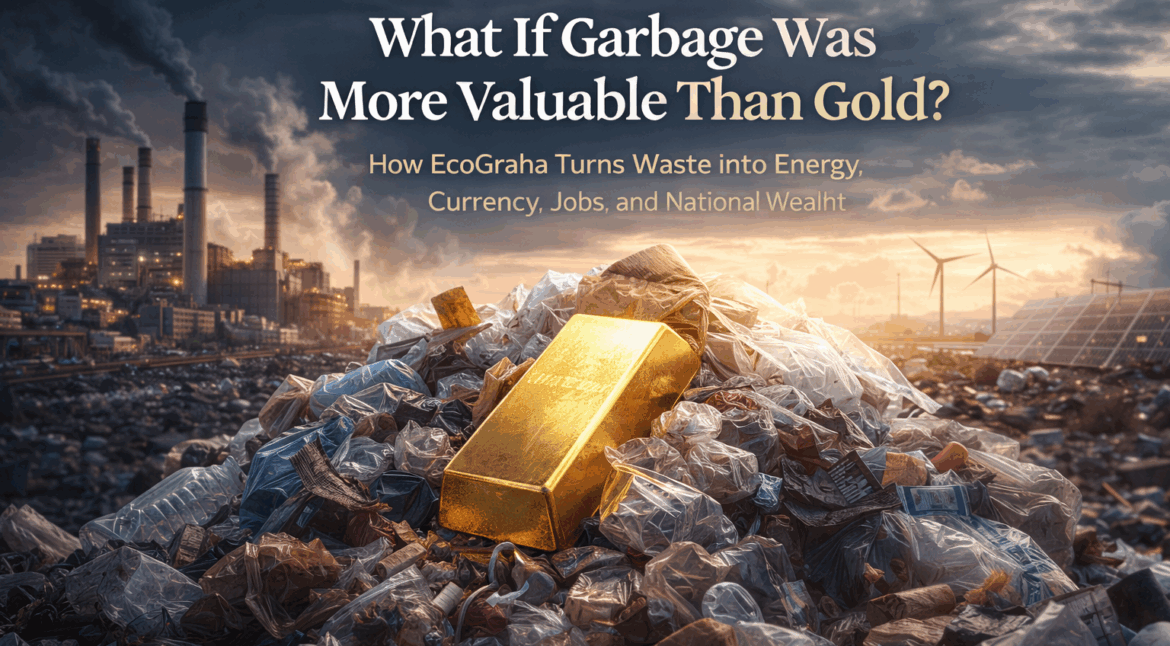
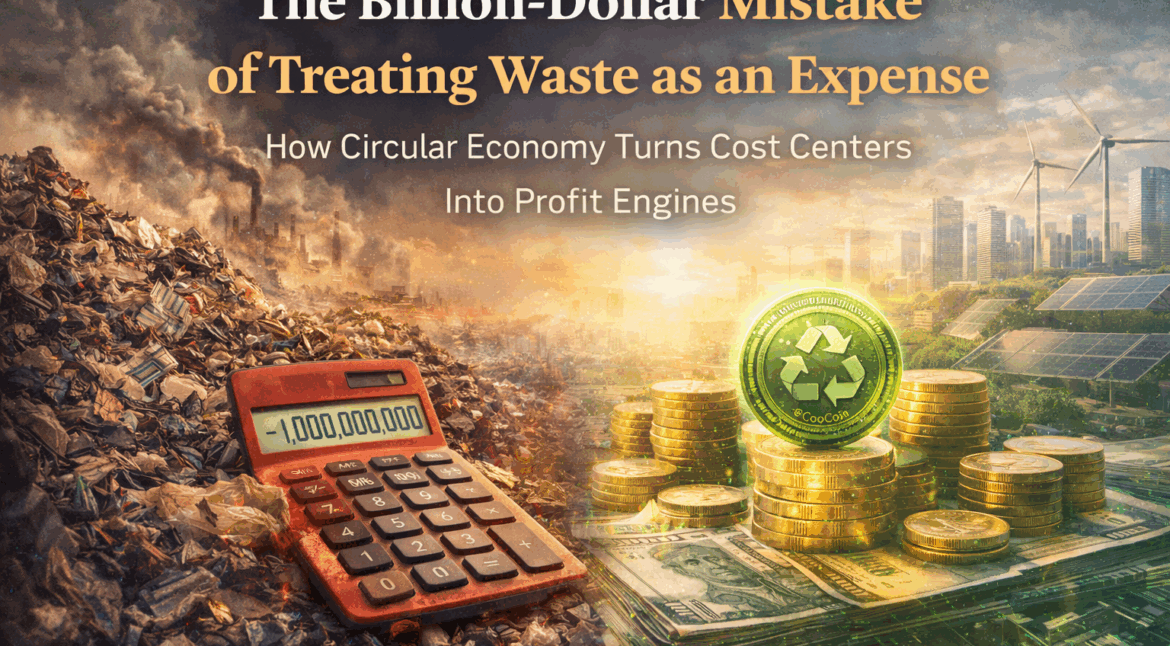
Across cities, corporations, and governments, waste appears in the same place on every balance sheet: Collection costs. Transportation costs. Processing costs. Landfill costs. Cleanup costs. Year after year, trillions are spent globally just to make waste “go away.”